
Nurse Call System Installation
Nurse call installation for care settings. Talk to Lifeline about your premises and requirements.
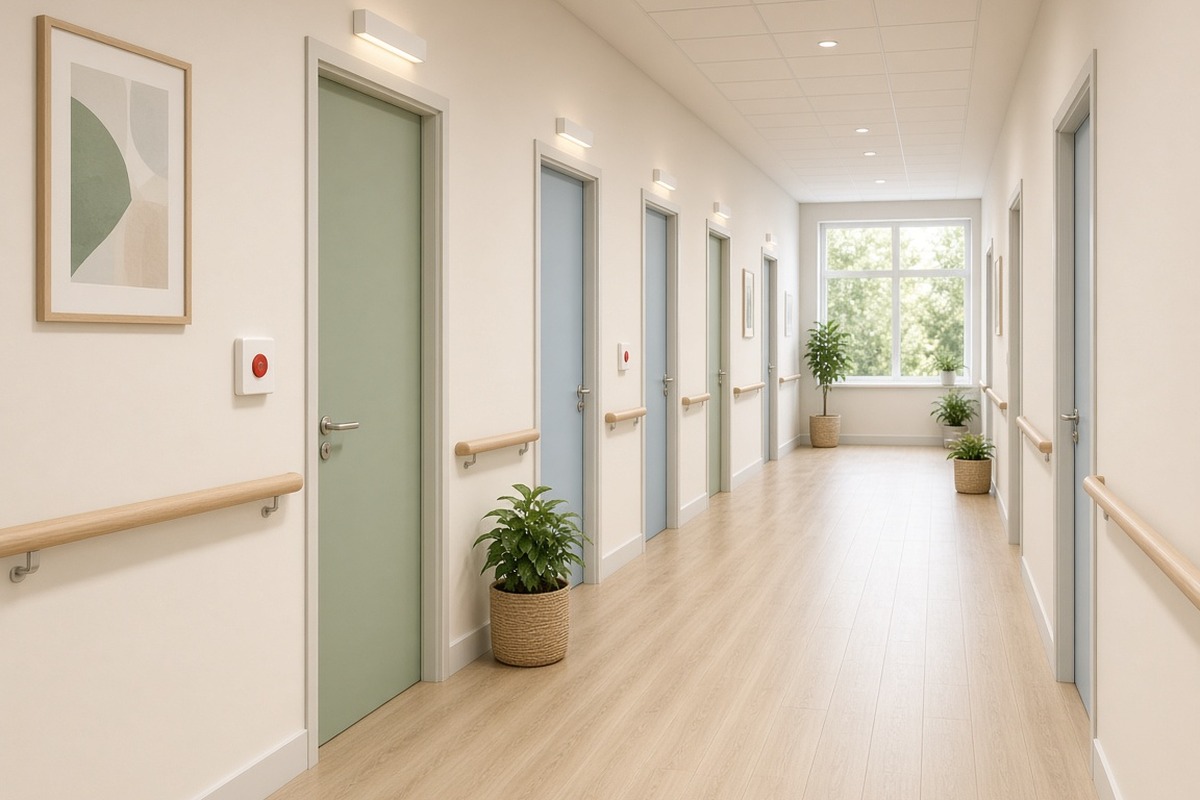
Nurse call installation
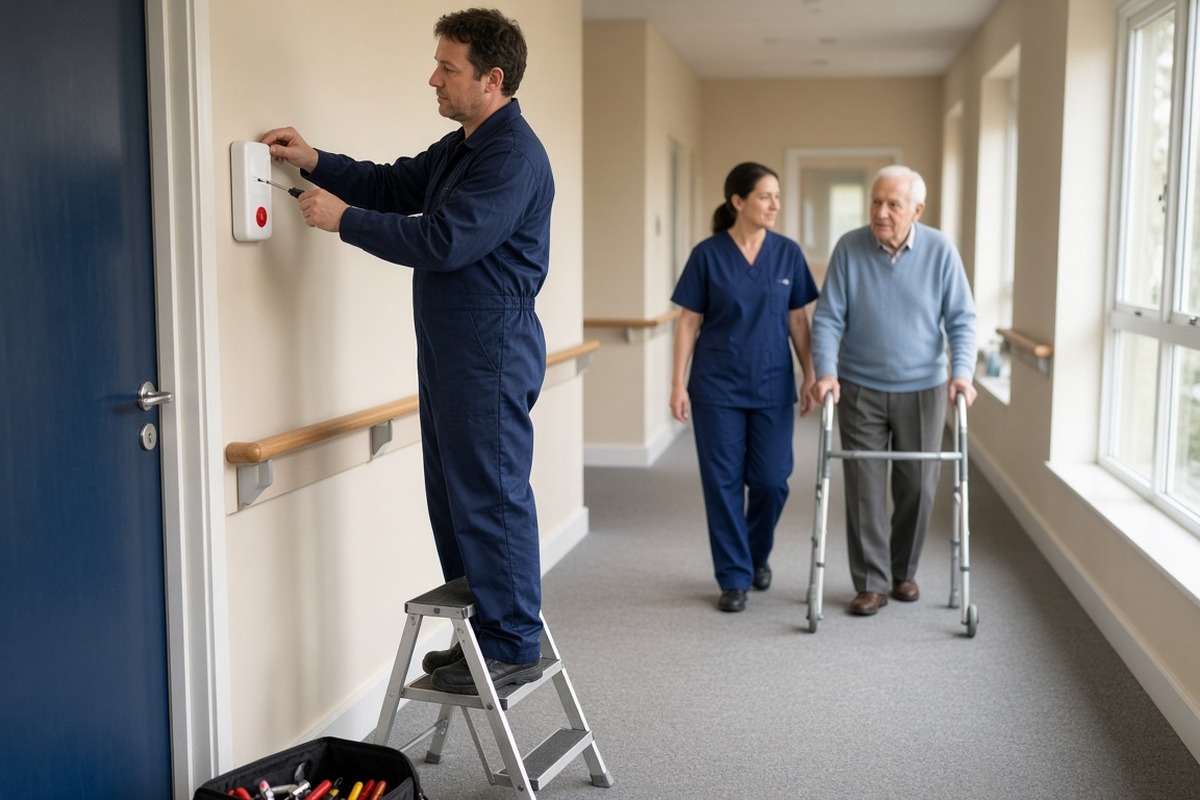
Give residents a clear way to ask for assistance. Lifeline Security provides nurse call system installation for care and nursing homes, with the starting point being the people who will use it. Tell us about your premises, residents’ needs and staff routines so we can discuss your requirements and the next steps towards a suitable installation.
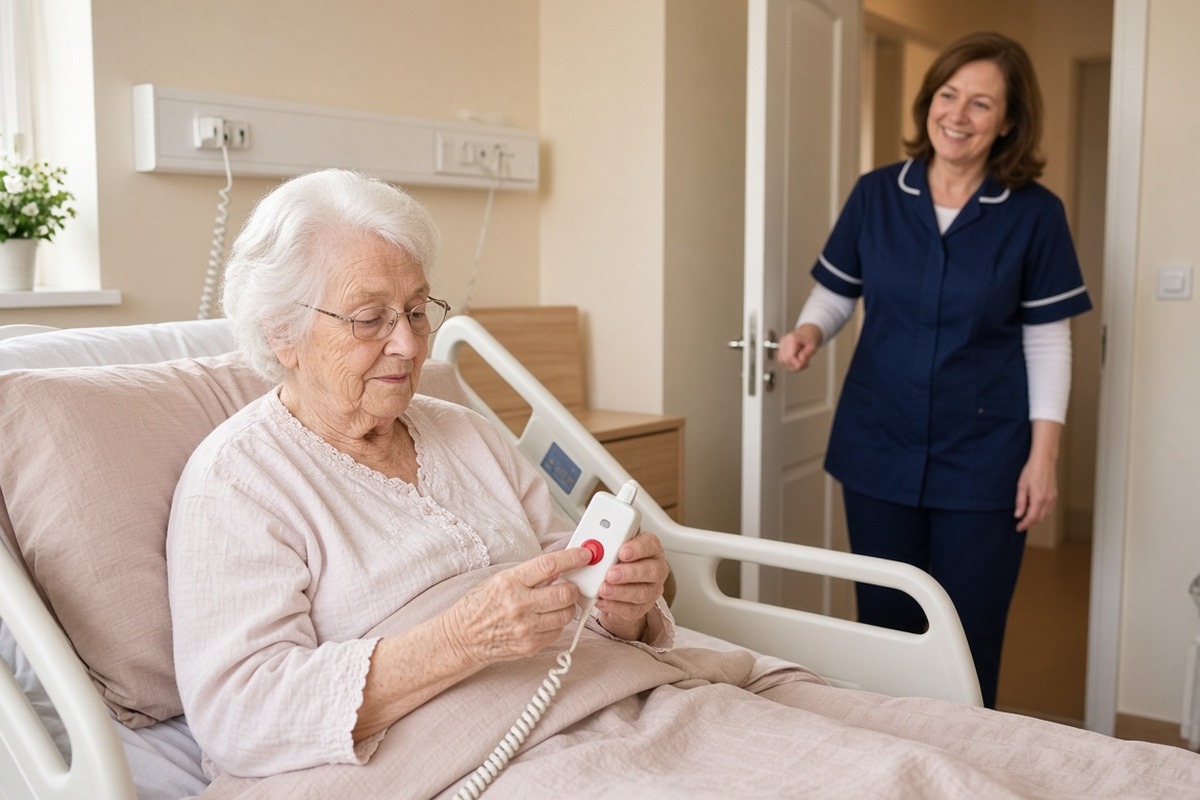
A link between residents and on-site care staff
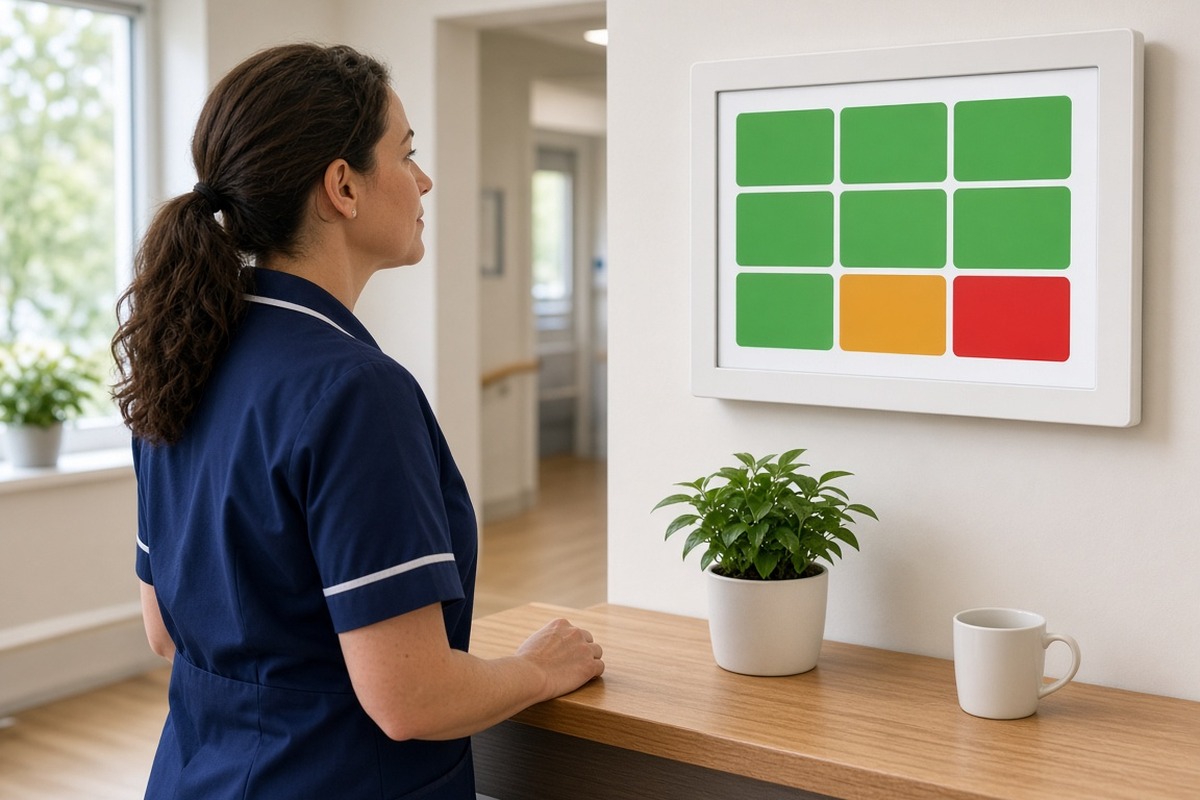
A nurse call system allows a resident to request help using a call button, handset or pull cord. Depending on the system, staff receive an audible or visual indication showing where assistance is needed. The purpose is straightforward: to communicate a request to the care team within the premises.
Call equipment needs to suit its users and location. A bedside button may be appropriate in one room, while a bathroom needs a different arrangement. Clear identification of the call location also matters, particularly where staff work across several rooms or floors.
This is different from a personal alarm or telecare service linked to relatives or an external monitoring centre. The installation discussed here is for on-site care communication, not a remotely monitored personal alarm package.
Start with your home’s day-to-day needs
Choosing a system involves more than counting bedrooms. Before agreeing an installation, it is important to understand how residents use the building and how your staff receive and respond to calls. Useful information to share includes:
- The number of rooms, floors and separate areas involved.
- Where residents need access to a call point, including bedrooms and bathrooms.
- Mobility, dexterity, sight or hearing needs that may affect equipment use.
- Where staff are based during the day and overnight.
- Any existing call equipment and available information about it.
- Access restrictions, planned building work and your intended timescale.
This discussion helps establish what needs closer assessment. A device that works well for one resident may not suit another, so accessibility should be considered alongside the building layout.
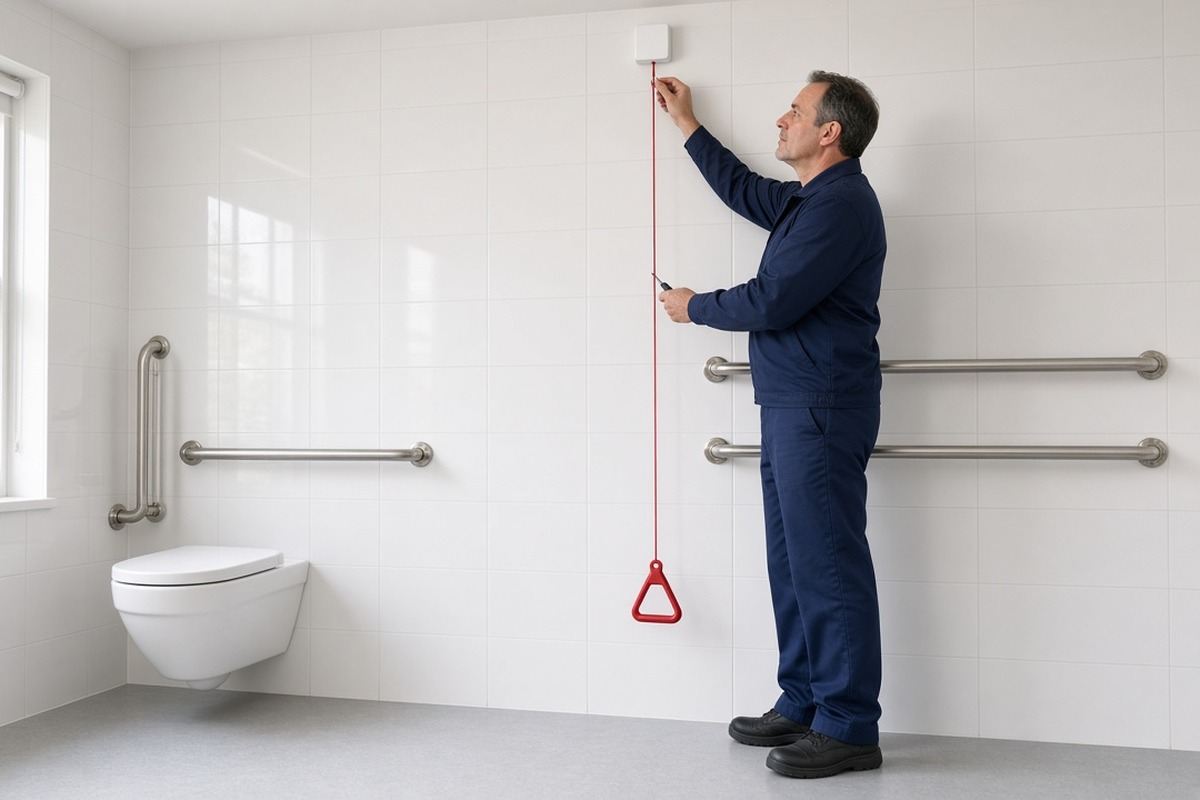
Understanding wired and wireless possibilities
Nurse call systems can use wired connections or wireless communication, depending on the equipment and application. Each approach has different installation requirements, so suitability needs to be assessed for the premises.
A wired arrangement needs suitable cable routes, which should be considered alongside access to rooms and any refurbishment plans. Wireless equipment needs assessment of signal coverage, building construction, power supplies and battery requirements. Wireless does not necessarily mean that no cabling or building work is needed.
The appropriate approach depends on the premises and the required call functions. Equipment selection and the installation scope should be confirmed following a needs assessment, rather than chosen on convenience alone.
Plan the installation around an occupied care setting
Residents’ routines and staff access need consideration when arranging work. Share any restrictions around rest periods, personal care, room access and areas that must remain available. These details help inform the proposed programme and access arrangements.
Before work begins, agree the equipment locations, how calls will be indicated and what the installation quotation includes. Testing, operating instructions and handover requirements should also be clarified as part of the agreed scope. Your team needs to understand how the selected system is used and how to report a fault.
A nurse call system supports communication; it does not replace appropriate staffing, supervision or care procedures. It cannot guarantee how quickly someone will attend. Your response arrangements remain essential to how calls are managed.
Frequently asked questions
Discuss your nurse call installation with Lifeline
Planning a nurse call system for a care or nursing home? Contact Lifeline Security to explain what you need. Include your site location, approximate room numbers, any existing equipment and your preferred timescale so we can discuss the next steps.
Call 01634 711983, email enquiries@lifelinesecurity.co.uk or send an enquiry.

